Don't Buy the Mfc J895Dw Until You Read This Full Analysis
Category: Electronics
Introduction
The Brother Mfc J895Dw is often marketed as a compact, feature-rich inkjet all-in-one suited for home offices and small businesses. Prospective buyers are frequently drawn to its low initial price and the promise of multifunction convenience—printing, scanning, copying and faxing in a single machine. However, a sensible purchase decision should look beyond the sticker price to real-world performance, day-to-day cost of ownership, and how well the device fits an individual's workflow.
This analysis examines the Mfc J895Dw across the criteria buyers typically care about: print and scan quality, speed and reliability, connectivity and software, consumable costs, and long-term suitability for several common use cases. The goal is to provide a balanced, practical assessment so readers can decide whether this model meets their needs or whether an alternative would be better.
Product overview — what the Mfc J895Dw promises
The Mfc J895Dw is positioned as a compact inkjet multifunction printer (MFP) designed to handle common office tasks. It emphasizes versatility: wireless networking, automatic duplex printing, and mobile printing compatibility for people who occasionally need to print from phones and tablets. It appeals to buyers who want a single device for multiple tasks without occupying the footprint of a laser MFP.
Who this printer suits
- Home offices and remote workers who print intermittently and need a scanner for receipts or documents.
- Small businesses with low-to-moderate monthly volumes that prioritize color capability and multifunction features.
- Students and creatives who want decent color output for graphics and color documents without the bulk of a larger office unit.
Detailed product analysis
Design and build
The Mfc J895Dw follows the compact, desk-friendly design common to consumer inkjets. It typically has a modest paper tray capacity and a top-loading output. The footprint makes it easy to place in small workspaces, but buyers should check physical dimensions against their available desk or shelf space—especially since access to the scanner lid and paper tray requires clearance.
Setup and user experience
Out of the box, setup for modern networked printers usually involves connecting to Wi‑Fi, installing drivers, and configuring mobile print options. For many users, the initial setup experience is straightforward when driver packages and mobile apps are current and stable. Still, some buyers report occasional driver compatibility issues on certain operating system updates or when using older machines—something to expect with any consumer-grade printer and to mitigate by checking manufacturer driver support for the user’s OS before purchase.
Print quality
Print quality is a primary concern for most buyers. For everyday documents, the Mfc J895Dw generally produces crisp black text and acceptable color graphics. Color photos from consumer inkjets can be pleasant for casual use, but they rarely match the saturation and longevity of photo-dedicated printers or professional labs. Text quality is usually adequate for business documents, but those who require extremely fine small-font rendering or archival-quality photos should evaluate dedicated devices or higher-end models.
Scanning and copying
The scanner on the Mfc J895Dw is suitable for document archiving, OCR tasks, and ad-hoc photo scans. It supports standard flatbed scanning and often includes a basic automatic document feeder (ADF) for multi-page scans. Buyers who routinely scan large stacks of documents, require exceptionally fast duplex scanning, or need high-resolution photo digitization may find the MFP limiting compared to standalone scanners or higher-tier MFPs.
Performance, speed and reliability
Speed expectations should be realistic: compact inkjets trade raw speed for size and versatility. For intermittent home-office printing, the performance is acceptable. In sustained, high-volume environments, the printer will become a bottleneck and may require frequent ink replacement or pause times for maintenance cycles. Reliability for consumer inkjets varies by usage patterns; idle periods followed by heavy print runs can increase the likelihood of nozzle clogging, which affects print consistency and can lead to service calls or time-consuming cleaning routines.
Connectivity and software
Wireless connectivity is an important feature for modern workflows. The Mfc J895Dw typically supports Wi‑Fi and mobile printing standards enabling printing from phones and tablets via manufacturer apps and platform-native protocols. The quality of the software ecosystem—drivers, mobile apps, and cloud print options—greatly influences day-to-day convenience. Buyers who rely extensively on cloud workflows should verify that the printer’s software remains supported and receives timely updates.
Shop the latest Electronics picks on Amazon.
View Offers →Consumables and cost of ownership
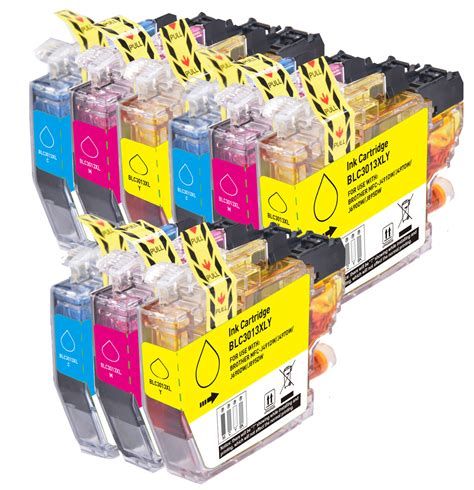
A critical factor often overlooked is consumable cost. Inkjet MFPs can have a low entry price but relatively high ongoing expenses for replacement ink cartridges. Buyers should consider the effective cost per page using standard and high-yield cartridge options, and whether third-party or high-yield cartridges are supported without voiding support. For users who print frequently, these recurring costs often surpass the original purchase price over a year or two.
Maintenance and service
Maintenance for inkjets includes periodic head cleanings and potential part replacements over time. The Mfc J895Dw's maintenance requirements are typical for the segment: routine cleaning cycles, occasional manual cleaning to avoid banding, and general wear on feed rollers with heavier use. Warranty terms and the availability of service centers or mail-in repairs should factor into a purchase for users relying on consistent uptime.
Pros & Cons
- Pros:
- Compact, space-saving design suitable for small desks and home offices.
- Multifunction convenience: print, scan, copy, and fax in one unit.
- Wireless and mobile printing capabilities for flexible workflows.
- Good text quality for everyday documents and acceptable color output for graphics.
- Cons:
- Ink costs can be high relative to page yield—long-term ownership may be expensive.
- Not ideal for high-volume or professional photo printing workloads.
- Potential for driver/software compatibility issues depending on the operating system.
- Smaller paper capacity and slower throughput compared with business-focused models.
Comparison
The following table compares the Mfc J895Dw qualitatively against two typical alternatives buyers consider in this segment: a consumer-focused color MFP and a compact color laser MFP. Exact model numbers are omitted intentionally; this is a feature-level comparison to help frame where the Mfc J895Dw stands.
| Feature | Mfc J895Dw (Inkjet MFP) | Typical Consumer Inkjet MFP | Compact Color Laser MFP |
|---|---|---|---|
| Initial cost | Low to moderate | Low | Moderate to high |
| Running cost (ink/toner) | Moderate to high | High | Lower per page for black, moderate for color |
| Print quality — text | Good | Variable | Very good |
| Print quality — photos | Good for casual use | Good to very good | Average (laser) |
| Speed & throughput | Moderate | Moderate | High |
| Multifunction features | Yes (scan/copy/fax) | Yes | Yes (varies) |
| Best use case | Home office / low-volume small business | Home / students | Small to mid-size office with higher volume |
Real-world use cases — how it performs in practice
Home office with mixed document needs
For a household user who prints invoices, school projects, occasional photos, and needs to scan receipts, the Mfc J895Dw is a sensible choice if space is limited. The multifunction abilities reduce the need for a separate scanner. However, the user should expect to plan for recurring ink purchases and occasional maintenance when the printer sits idle for long periods.
Small business with modest monthly volume
Small businesses that print primarily color flyers, invoices and occasional multi-page contracts will find the MFP adequate. The automatic duplexing and ADF help with workflows, but if monthly volume grows consistently, management should consider the total cost of consumables and whether moving to a higher-capacity ink system or monochrome laser printer would be more economical.
Student or creative hobbyist
Students benefit from the compact size and color capability, but those who print many color images or poster-sized graphics will notice that consumer inkjets still have limitations in color gamut and longevity compared with photographic printing services. For casual creative projects, the results are usually acceptable.
Buying guide — what to check before purchasing
When evaluating the Mfc J895Dw or comparable models, buyers should consider the following checklist to avoid surprises and ensure the printer aligns with their needs.
1. Total cost of ownership
Look beyond the box price. Estimate monthly page volume and calculate the cost per page with the manufacturer's specified cartridge yields. Consider whether high-yield or subscription ink plans are available and whether third-party ink is an option for cost savings.
2. Monthly print volume and duty cycle
Compare the expected monthly pages to the printer’s recommended duty cycle. Using a printer beyond its intended workload increases wear and can invalidate support expectations.
3. Connectivity and software
Confirm compatibility with the operating systems in use, and test that the mobile printing solution fits daily workflows. If cloud or workplace printing is important, ensure the device supports the necessary integrations.
Shop the latest Electronics picks on Amazon.
Browse Now →4. Paper handling and capacity
Assess the machine's paper tray size and whether it supports the paper sizes commonly used. For frequent multi-page printing or small-batch production, higher-capacity trays and a robust ADF matter.
5. Image and text quality requirements
If the buyer needs archival-quality photos or ultra-fine text, consider whether this model meets expectations. Request sample prints in-store or compare online print samples when available.
6. Maintenance expectations
Understand routine maintenance tasks—cleaning cycles, head replacement options, and how easy it is to access service. For business-critical deployments, factor in warranty length and the availability of local service support.
7. Physical size and placement
Measure the intended location and allow clearance for opening lids and replacing cartridges. A compact footprint is useful, but access ergonomics are equally important.
8. Future-proofing
Check whether the manufacturer maintains driver updates and whether the device supports modern security standards for networked devices. Printers often remain in service for multiple years; ongoing software support matters.
Alternatives to consider
Before committing, buyers should compare competing options in the same price bracket. Alternatives include:
- A consumer inkjet MFP with a reputation for lower running costs (often via large-capacity ink tanks).
- A compact color laser MFP if document throughput and monochrome page cost matter more than color photo quality.
- A higher-end inkjet with replaceable ink tanks or subscription ink programs that lower the per-page cost for frequent color printing.
Conclusion
The Brother Mfc J895Dw is a practical, space-conscious multifunction printer that will satisfy many home-office users and small businesses with light to moderate printing needs. It offers the conveniences buyers expect—wireless printing, multifunction features and generally good everyday print quality. However, its strengths are balanced by recurring ink costs, limitations for high-volume or professional photo printing, and the potential for software compatibility issues over time.
Prospective buyers should weigh the machine’s low upfront cost against long-term ownership expenses and their expected workload. For occasional printing and scanning in a compact package, the Mfc J895Dw is worth considering. For heavier use, or for those who prioritize the lowest long-term cost per page, exploring alternatives with larger ink tank systems or laser technology may be the smarter long-term investment.