Don't Buy the Canon Powershot V1 Until You Read This Full Analysis
Introduction
The Canon Powershot V1 has generated a fair amount of attention among photographers who want something more capable than a smartphone but less bulky than a mirrorless system. Before making a purchasing decision, it's important to separate marketing hype from real-world value. This analysis walks through the Powershot V1 from the perspective of typical buyers — travelers, family documenters, street photographers, and content creators — and offers a practical, evidence-based look at what the camera delivers, where it compromises, and whether it is the right tool for specific use cases.
Detailed Product Review and Analysis
Design and Handling
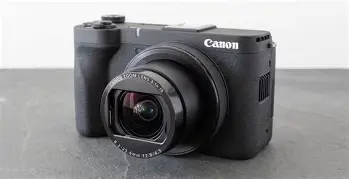
One of the first things prospective buyers notice is the V1’s design language. Canon appears to aim for a balance between pocketability and a traditional camera feel. The camera’s controls, mode dial placement, and grip size will matter to anyone who shoots for extended periods. In real-world use, a camera that sits comfortably in the hand and lets users change key settings without diving into menus reduces friction and improves the shooting experience.
For buyers who prioritize mobility — commuters, travelers, and walkaround shooters — the V1’s physical footprint and weight are important. Pocket convenience often trades off with manual control. If Canon has kept a compact silhouette while leaving ample manual dials or customizable buttons, the V1 could be a solid option. If not, users who like tactile exposure control might find the interface limiting compared with larger cameras.
Image Quality and Low-Light Performance
Image quality is the most consequential factor for most buyers. Real-world output depends on sensor size and processing, lens quality, and how well the camera handles noise at higher ISOs. Many buyers upgrading from smartphones will see meaningful improvements in dynamic range, depth-of-field control, and color rendition, particularly in good light.
However, low-light performance is where trade-offs become apparent. Compact cameras often use smaller sensors than interchangeable-lens cameras, and this constrains high-ISO performance. For users who frequently shoot indoors, in dim restaurants, or at night, image quality at ISO 1600 and above is a key consideration. Buyers should look at sample galleries and independent lab tests to see how the V1 performs at practical shutter speed/ISO pairs they typically use.
Lens, Zoom Range, and Versatility
The quality and flexibility of the lens built into the V1 will determine how often it replaces other cameras in a kit. A wide-to-moderate tele zoom gives one-camera convenience for travel and everyday photography. Fast apertures at the wide end help with shallow depth of field and low-light shooting, while longer focal lengths are useful for portraits and distant subjects.
Real-world buyers care about how the lens performs across the frame: sharpness, chromatic aberration, distortion, and bokeh quality. If Canon tuned the optics for compactness at the expense of edge sharpness or model corrected aggressively in-camera, those are considerations that affect printing and cropping margins.
Autofocus and Performance
Autofocus capability is a practical detail that greatly impacts usability. For event shooters, parents, and vloggers, reliable AF is essential. The V1 should be evaluated on single-shot AF accuracy, continuous AF tracking for moving subjects, and face/eye-detection performance when humans are the primary subjects.
In addition to AF, startup time, shot-to-shot lag, and buffer depth for continuous bursts determine whether the camera is useful in fast-paced scenarios such as sports or candid street shooting. Buyers rarely look at these numbers until they experience missed opportunities caused by sluggish performance.
Shop the latest Electronics picks on Amazon.
View Offers →Video Features
For content creators, video capability is often as important as stills. Real-world video use cases include vlogging, travel clips, and family recordings. Buyers should check whether the V1 offers continuous autofocus in video mode, mic input or hot-shoe for external audio, and whether it records at useful frame rates and bitrates for their needs.
Video stabilization — whether optical, electronic, or combined — is a decisive feature for handheld shooting. If the V1 delivers strong stabilization and clean rolling-shutter behavior, it will suit run-and-gun creators. If stabilization is limited, a gimbal or external stabilization strategy becomes necessary, which erodes the convenience advantage of a compact camera.
Connectivity, Battery Life, and Storage
Wireless features and battery life are practical concerns that shape real-world usability. Wi-Fi or Bluetooth pairing that reliably transfers photos to a phone—without constant reconnecting—helps streamline sharing workflows. For buyers who shoot long days, battery life and the availability of spare batteries or USB-C charging are important. If the V1 supports in-camera battery charging via USB-C, that is a convenience for travelers who prefer to pack fewer chargers.
Storage speed and buffer behavior matter for burst shooting and high-bitrate video. Users planning to shoot long video clips or high-speed bursts should confirm whether the V1 uses common memory card formats with predictable performance.
Build Quality and Durability
Durability matters for buyers who will use the V1 outdoors, on trips, or in family situations where bumps and spills are common. Weather sealing and the robustness of moving parts influence long-term satisfaction. Even if the V1 is not weatherproof, a solid-feeling body and well-seated doors for battery and memory card make a difference in daily life.
Software, RAW Support, and Post-Processing
Serious hobbyists and professionals will want RAW capture and reliable support in major RAW processors. The camera’s color science and in-camera JPEG engine are relevant for those who rely on out-of-camera images. If Canon maintains its usual approach to color and highlight handling, many users will appreciate preserved skin tones and pleasant JPEGs, but RAW flexibility is essential for critical editing.
Real-World Use Cases
To frame the analysis, consider how different people might use the V1:
- Travelers: Look for portability, battery life, and a useful zoom range. A traveler values a camera that can be carried comfortably all day and still deliver image quality for large prints or memorable albums.
- Family Photographers: Prioritize autofocus reliability, ease of use, and good JPEGs for quick sharing. Parents often want a point-and-shoot experience with enough control to improve results as skill grows.
- Street Photographers: Care about discretion, fast AF, quiet operation, and ergonomics for handheld one-handed shooting. A compact camera that disappears in a bag and responds instantly to fleeting moments is ideal.
- Vloggers and Creators: Need clean video, reliable autofocus in movie mode, and decent audio input options. Tools that simplify workflow — flip screens, dependable connectivity, and good stabilization — are high priority.
- Upgrade-from-Phone Buyers: Want a clear, demonstrable improvement over smartphone images without heavy additional gear. They value color, dynamic range, and a lens that can do things a phone cannot (e.g., reach and background separation).
Pros & Cons
Pros
- Portable form factor: Convenient for everyday carry and travel compared with larger systems.
- Improved image control: Offers manual exposure and physical controls that let users grow their skills beyond phone photography.
- All-in-one convenience: A built-in lens avoids the complexity and weight of interchangeable-lens kits.
- User-friendly features: Likely to include scene modes, automatic corrections, and Canon’s typical approachability for less technical users.
- Potentially solid JPEG color: Canon’s color tuning is traditionally favorable for skin tones and pleasing output.
Cons
- Sensor/low-light limits: Compact sensors can struggle in low light compared with APS-C or full-frame cameras.
- Less flexibility than mirrorless: No interchangeable lenses reduces long-term versatility for specialized photography.
- Unknown long-term reliability: New models often need time to prove durability and real-world firmware polish.
- Potential compromise on controls: Smaller bodies sometimes mean fewer direct controls or cramped button layouts.
- Video limitations: Without robust stabilization or pro-level codecs, serious videographers may find it lacking.
Comparison Table: Where the Powershot V1 Fits
| Feature | Canon Powershot V1 (Practical Positioning) | Typical 1-inch Premium Compact | Entry-Level Mirrorless |
|---|---|---|---|
| Portability | High — designed to be carried daily without a bag | High — very pocketable, similar to V1 | Medium — requires a bag, especially with multiple lenses |
| Image Quality | Good for casual and travel use; limited in extreme low light | Good to very good; excellent with premium optics | Superior — larger sensors offer better dynamic range and low-light |
| Lens Versatility | Moderate — built-in zoom suited for everyday shooting | Moderate — fixed zoom range, high-quality optics | High — interchangeable lenses for every need |
| Autofocus & Speed | Suitable for most everyday subjects; check tracking performance | Often very fast; tuned for compact burst shots | Typically best — advanced AF systems, high burst and buffer |
| Video | Useful for casual vlogging; check stabilization and inputs | Often strong for casual creators | Superior options for pro workflows (external audio, higher bitrates) |
| Price-to-Value | Potentially strong if it undercuts mirrorless and outperforms phones | Good value for photographers wanting compact quality | Depends on kit; more expensive but higher capability |
Buying Guide: How to Decide Whether the Powershot V1 Is Right
When deciding whether to buy the Canon Powershot V1, buyers should assess three things: their shooting priorities, the real-world performance of the camera for those priorities, and the total ownership cost. The following checklist helps translate those broad considerations into concrete decisions.
1. Define the Primary Use Case
- If the camera's main job is travel and everyday snapshots, portability and reliable autofocus are the top priorities.
- If the buyer wants to shoot events, children, or sports, continuous AF, burst shooting, and buffer depth should be evaluated carefully.
- If video is equally or more important, check stabilization, mic support, and continuous AF in movie mode.
2. Evaluate Image Samples in Real Conditions
Look for sample galleries taken in the kinds of light and subject matter you plan to shoot. Compare crops at 100% and review high-ISO images. Pay attention to color, highlight retention, and noise patterns. Test shots help reveal the camera’s real-world limits much better than headline specs.
Shop the latest Electronics picks on Amazon.
Shop Amazon →3. Consider Ergonomics and Controls
Try holding the camera (in a store or with a friend) to ensure button placement and grip are comfortable. If possible, test the camera with the accessories you would normally use (strap, small tripod, external mic) to confirm compatibility and comfort.
4. Check Battery Life and Charging Options
Confirm whether the camera supports USB charging and whether spare batteries are affordable and easy to source. For travel and long outings, battery life can be a deciding factor.
5. Confirm RAW Support and Software Compatibility
Ensure that the V1’s RAW files are supported by common editing software or that Canon provides a reliable RAW converter. If the buyer plans significant editing, RAW support is essential.
6. Compare Alternatives
Weigh the V1 against a modern smartphone camera and a compact 1-inch premium model. For a modest price difference, an entry-level mirrorless system may offer longer-term upgrade paths. Make the comparison based on the buyer’s prioritized features, not brand preference alone.
7. Factor in Long-Term Value
Consider the camera’s resale potential, the availability of firmware updates, and how it will fit into a future kit. A camera that meets current needs but lacks upgradeability can still be the right purchase — but buyers should be clear about whether they want a long-term system or a capable day-to-day camera.
Practical Buying Tips
- Hands-on before purchase: Whenever possible, handle the V1 in person to check ergonomics and responsiveness.
- Inspect review videos and galleries: Prefer reviews that include full-resolution downloads or clear crops so you can inspect noise and detail.
- Test the autofocus live: If stores allow, test AF on moving subjects and in low light to see whether it meets needs.
- Ask about firmware update history: A brand that updates firmware to improve AF and features can extend the camera’s usefulness.
- Budget for accessories: Spare batteries, a small travel tripod, and a decent case often improve the ownership experience more than extra lenses or software.
Conclusion
The Canon Powershot V1 sits in a crowded space between smartphones, premium compacts, and entry-level mirrorless cameras. For buyers who prize portability and convenience — travelers, everyday documenters, and those upgrading from a phone — the V1 could be a compelling one-camera solution if it delivers solid autofocus, pleasing JPEGs, and decent stabilization for video. On the other hand, photographers who demand superior low-light performance, interchangeable lenses, or professional video features will likely find mirrorless systems or higher-end compacts better suited to their needs.
Before purchasing, potential buyers should test the camera in real-use scenarios, review high-resolution samples, and confirm that the V1’s strengths match their primary use cases. With careful consideration of ergonomics, image quality under typical shooting conditions, and the intended workflow, the V1 may be exactly the camera some people need — but others should pause and compare alternatives carefully before committing.